FREE SHIPPING on ALL Orders Over $999

AED Battery Replacement Guide: Lifespan, Costs, and Compatibility
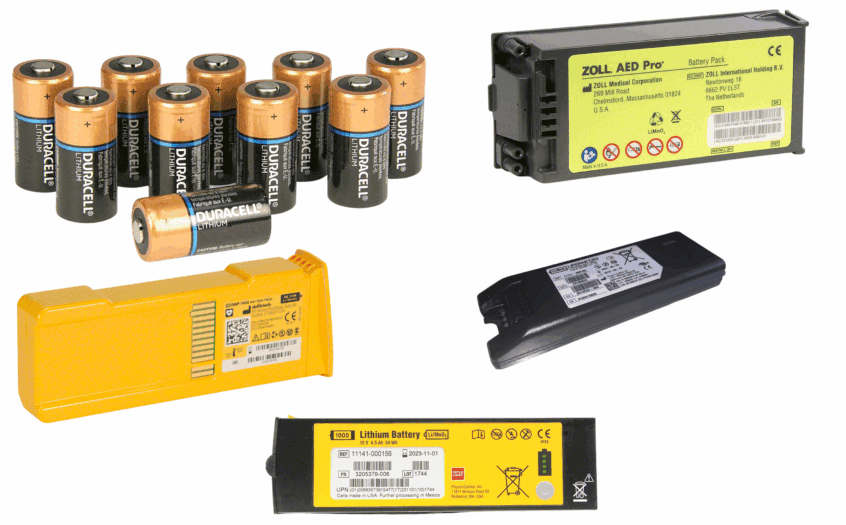
Why Defibrillator Batteries Are Critical to AED Readiness
Defibrillator batteries are the primary power source that allows an AED to analyze heart rhythm and deliver a life-saving shock during sudden cardiac arrest. Without properly functioning defibrillator batteries, an AED cannot operate, regardless of its condition or technology. Maintaining battery readiness is a fundamental responsibility of AED ownership and a key factor in emergency preparedness.
Typical Lifespan of Defibrillator Batteries
Most defibrillator batteries have a manufacturer-rated lifespan ranging from two to five years. The exact lifespan depends on the AED model, environmental conditions, and how often the device performs self-tests. Because defibrillator batteries expire even when unused, tracking expiration dates and replacing batteries before they expire is essential to ensure continuous AED readiness.
Common Indicators That Defibrillator Batteries Need Replacement
Modern AEDs are designed to alert users when defibrillator batteries are nearing expiration or losing charge. These alerts may include audible beeps, warning messages, or visible status indicator changes. Routine inspections help confirm that defibrillator batteries are functioning properly and prevent unexpected failures during an emergency.
Cost Considerations for Defibrillator Batteries
The cost of defibrillator batteries varies based on the AED brand and model, with pricing typically reflecting battery type, shelf life, and manufacturer design. While replacement costs can differ, defibrillator batteries should always be viewed as a necessary safety investment rather than an optional expense. Using genuine manufacturer-approved batteries helps preserve device reliability and warranty coverage.
Compatibility Requirements for Defibrillator Batteries
Defibrillator batteries are not interchangeable between AED brands or models. Each device requires a specific battery designed to meet exact voltage, software, and performance standards. Installing incompatible defibrillator batteries can cause device errors or prevent the AED from operating altogether, making proper model matching critical when ordering replacements.
Responsible Disposal of Expired Defibrillator Batteries
Once defibrillator batteries reach expiration, they must be disposed of properly due to lithium and regulated materials. These batteries should never be placed in standard trash. Responsible disposal through approved recycling programs helps protect the environment while supporting safe handling practices, especially when upgrading or replacing AED equipment.
Staying Prepared Through Proper Battery Management
Effective AED preparedness depends on proactive monitoring, timely replacement, and responsible disposal of defibrillator batteries. By maintaining accurate records, following manufacturer guidelines, and working with a trusted AED provider, organizations and individuals can ensure their AED remains ready to respond when every second counts. Ensure your AED is always ready by replacing and managing defibrillator batteries on time with guidance and support from AED One-Stop Shop.