FREE SHIPPING on ALL Orders Over $999

What Is an AED Machine? How It Works, What It Costs and Who Should Own One
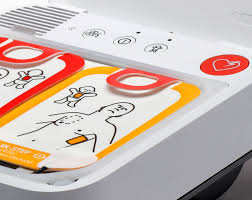
When we help organizations prepare for sudden cardiac arrest, we know selecting an AED involves more than choosing a device from a catalog. An AED machine analyzes the heart rhythm of a person in cardiac arrest and determines whether an electrical shock is appropriate. At AED One-Stop Shop, we provide AED machines, replacement electrodes, batteries, cabinets, carrying cases, signage, and other accessories, allowing organizations to consider the equipment and supplies needed for an ongoing emergency preparedness program. We can also help customers compare models before purchasing.
How Does an AED Machine Work?
An AED uses electrode pads placed on the patient’s bare chest to detect electrical activity in the heart. The device analyzes the rhythm and provides voice and visual instructions throughout the rescue. When a shockable rhythm is detected, the AED directs the rescuer through defibrillation. Depending on the model, the rescuer may press a button to deliver the shock, while some fully automatic models deliver it without requiring the rescuer to press a shock button. We recommend following the specific manufacturer’s instructions for every device. The device analyzes the rhythm before determining whether defibrillation is indicated.
Why AEDs Are Used With CPR
An AED is designed to work alongside CPR, not replace it. During a suspected sudden cardiac arrest, responders should activate emergency medical services, begin CPR, and use the AED machine as soon as it is available. We offer models with features such as real-time CPR feedback, pediatric capabilities, visual rescue instructions, and automatic operation. These differences can matter when organizations select equipment for their location and population. We also help customers consider whether accessories such as a carrying case or wall cabinet make sense for the intended placement.
What Does an AED Machine Cost?
The cost of an AED machine varies according to the manufacturer, model, included accessories, and technology. We encourage organizations to look beyond the initial purchase price because ownership can also involve replacement electrode pads, batteries, carrying cases, wall cabinets, signage, and other supplies. Replacement intervals differ by product, so we help customers identify the appropriate consumables for the specific AED they purchase. Considering these requirements upfront can make budgeting and maintenance more predictable. The investment should account for equipment and supplies needed for readiness.
Who Should Consider Owning an AED?
An AED machine can be useful in many environments where people regularly gather, including businesses, schools, fitness centers, sports facilities, churches, community organizations, and public buildings. We help customers consider where an AED should be placed so it can be accessed quickly rather than stored in an area that is difficult to reach. Organizations may also consider facility size, building layout, operating hours, and whether children are regularly present when determining their equipment needs. Facility layout may also affect whether more than one device is appropriate.
How We Help Keep AEDs Ready
Keeping an AED ready requires ongoing attention after the initial purchase. We recommend routinely checking the device’s readiness indicator, inspecting the unit for visible damage, confirming that electrodes and batteries are within their usable dates, and following the manufacturer’s maintenance instructions. At AED One-Stop Shop, we support organizations with AED equipment and replacement products so they can maintain the supplies associated with their specific device. Choosing an AED machine is ultimately about matching the equipment to the organization’s environment and emergency response plan. We carry AED solutions from established manufacturers and can help customers compare features, supplies, and accessories before purchasing.